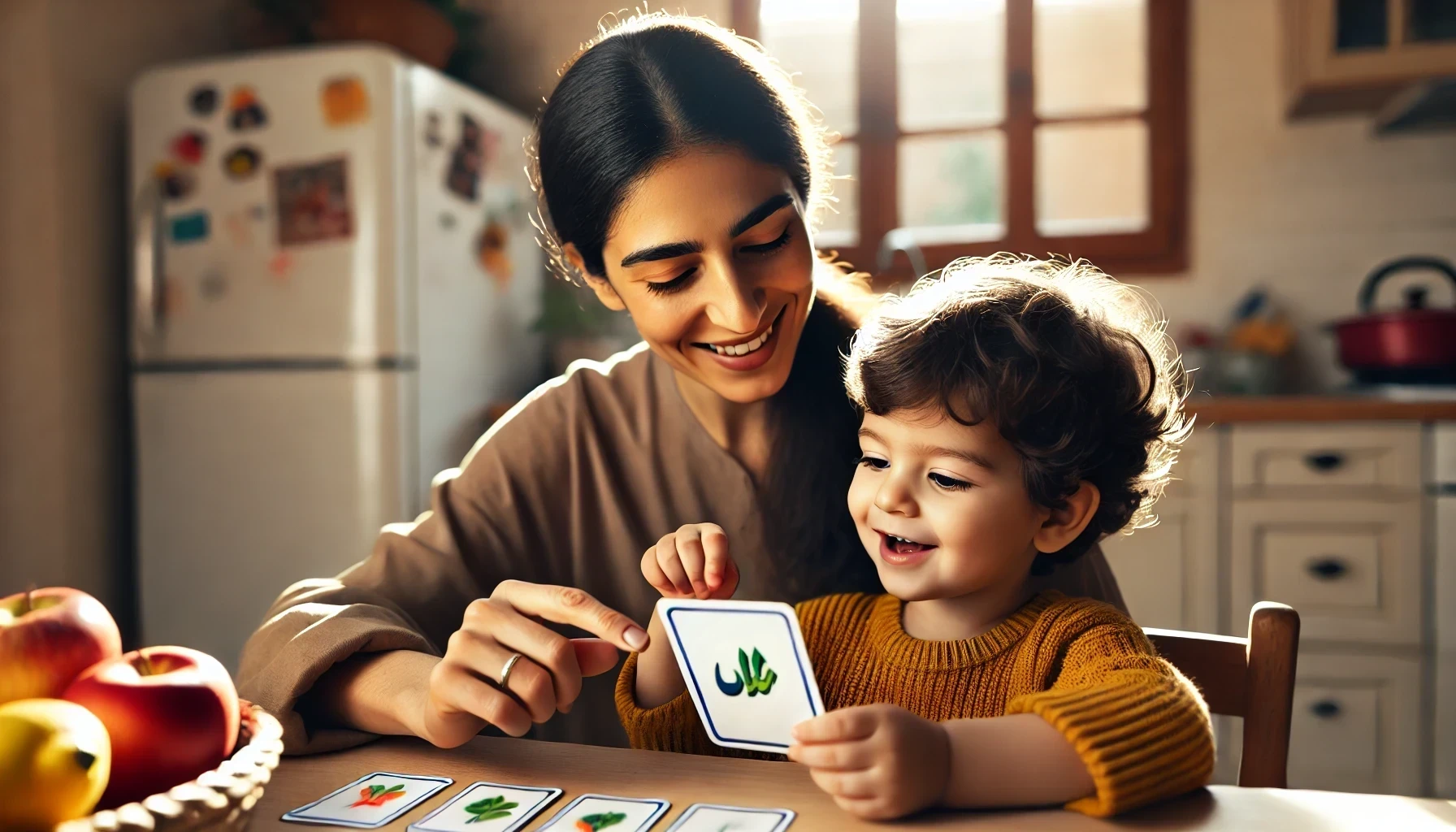

Importance of Bilingualism in Iranian Culture
Embracing Cultural Heritage
Bilingualism plays a vital role in preserving and celebrating Iranian culture, especially for families living abroad. By teaching your children both Persian and the language of your new home, you’re providing them with a valuable link to their roots. This connection helps them understand their cultural heritage, traditions, and history, making them proud of their Iranian identity. Imagine the joy on their faces when they can speak with grandparents or read Persian poetry with ease, aided by Farsi alphabet flashcards. It’s like giving them a key to a rich and vibrant world that they might otherwise miss.
Enhancing Cognitive Skills
Did you know that being bilingual can boost your child’s brainpower? Studies have shown that learning two languages improves cognitive abilities like problem-solving, multitasking, and creativity. When your child switches between Persian and another language, their brain gets a workout, making it stronger and more flexible. This mental agility can benefit them in many areas of life, from academics to social interactions. Plus, learning Persian with tools like alphabet flashcards can be fun and engaging, turning what might seem like a chore into an enjoyable activity.
Strengthening Family Bonds
Speaking Persian at home can strengthen family ties and create a sense of unity. When you share stories, jokes, and everyday conversations in Persian, you’re fostering a closer connection with your children. They feel more comfortable and understood, knowing that they share a unique language with you. This bond is especially important when living in a foreign country, where maintaining a sense of identity and belonging can be challenging. By prioritizing bilingualism, you’re creating a loving and supportive environment that values both your family’s Iranian heritage and their new cultural experiences.
Expanding Future Opportunities
Bilingualism opens doors to a world of opportunities for your children. Being fluent in Persian and another language makes them more attractive to future employers, giving them a competitive edge in the job market. It can also provide them with opportunities to work or study in Iran or other Persian-speaking countries. Furthermore, bilingual individuals often have better communication skills and a broader worldview, making them more adaptable and empathetic. These qualities are highly valued in today’s globalized world, and by teaching your children Persian, you’re setting them up for success.
Boosting Confidence and Self-Esteem
Learning and mastering two languages can significantly boost your child’s confidence and self-esteem. When they realize they can communicate effectively in both Persian and the language of their new home, they’ll feel a sense of accomplishment and pride. This self-assurance can spill over into other areas of their life, making them more resilient and self-reliant. Encouraging your child to use Farsi alphabet flashcards and other learning tools can help them achieve this milestone, turning language learning into a confidence-boosting journey.
Facilitating Cultural Exchange
Being bilingual allows your child to become a bridge between cultures, fostering understanding and tolerance. They can share their Iranian heritage with friends and classmates, promoting cultural exchange and mutual respect. This role can be incredibly rewarding, as it empowers your child to be an ambassador of their culture. By teaching them Persian, you’re equipping them with the skills to navigate and connect with diverse cultural environments. It’s a gift that keeps on giving, enriching their lives and the lives of those around them.
Enjoying Richer Travel Experiences
Traveling to Iran or other Persian-speaking regions becomes a much richer experience when your child can speak the language. They can communicate with locals, understand cultural nuances, and fully immerse themselves in the experience. This ability to connect on a deeper level makes travel more meaningful and enjoyable. Imagine the delight of your child as they order food, ask for directions, or engage in conversations with ease. It’s an invaluable skill that enhances their travel experiences and broadens their horizons.
Building a Strong Community
Learning Persian can help your child build a strong community of friends who share the same cultural background. These connections can provide a support system and a sense of belonging, which is crucial for children growing up in a foreign country. Being part of a community where they can speak Persian and celebrate Iranian traditions makes them feel accepted and valued. This sense of community can be a source of strength and comfort, helping your child navigate the challenges of living in a new culture.
Encouraging Lifelong Learning
Instilling a love for learning languages at a young age can encourage your child to become a lifelong learner. Once they experience the joy and benefits of being bilingual, they may be inspired to learn additional languages in the future. This passion for languages can open up endless possibilities for personal and professional growth. By starting with Persian, you’re giving them a solid foundation and a head start on this exciting journey. It’s a lifelong gift that will continue to enrich their lives in countless ways.
Cultivating a Global Perspective
Bilingualism helps cultivate a global perspective in your child. Understanding and speaking Persian allows them to appreciate different cultures and viewpoints, fostering empathy and open-mindedness. This global mindset is increasingly important in our interconnected world, where cross-cultural communication is a valuable skill. By teaching your child Persian, you’re helping them become global citizens who can navigate and appreciate diverse cultural landscapes. It’s an invaluable skill set that prepares them for the complexities and opportunities of the modern world.
Promoting Academic Excellence
Research has shown that bilingual children often perform better academically than their monolingual peers. Learning two languages enhances cognitive development, improving memory, attention, and problem-solving skills. These benefits can translate into better performance in school and other academic pursuits. By incorporating Farsi alphabet flashcards into their learning routine, you’re giving your child a head start on academic success. It’s a simple yet effective way to boost their learning potential and set them up for future achievements.
Preserving Family History
Speaking Persian allows your child to connect with their family history and heritage in a meaningful way. They can listen to stories from grandparents, understand family traditions, and learn about their ancestors. This connection to their roots is an important part of their identity, helping them understand where they come from. By teaching your child Persian, you’re preserving your family’s history and passing down valuable cultural knowledge. It’s a way to keep your family’s story alive for future generations.
Fostering Emotional Resilience
Being bilingual can foster emotional resilience in your child. Navigating two languages and cultures helps them develop adaptability and problem-solving skills, which are crucial for managing life’s challenges. This resilience can make them more confident and resourceful, better equipped to handle adversity. By teaching them Persian, you’re giving them tools to navigate the complexities of life with grace and confidence. It’s an investment in their emotional well-being and overall development.
Encouraging Creativity
Learning two languages can enhance your child’s creativity. The process of switching between languages and thinking in different linguistic frameworks stimulates creative thinking and problem-solving. This creativity can benefit them in various aspects of life, from academics to hobbies. By using Farsi alphabet flashcards and other engaging learning methods, you’re nurturing their creative potential. It’s a fun and effective way to develop their imaginative skills and encourage innovative thinking.
Strengthening Linguistic Skills
Bilingualism strengthens overall linguistic skills, including vocabulary, grammar, and pronunciation. Mastering Persian alongside another language enhances your child’s understanding of linguistic structures and patterns. This knowledge can make learning additional languages easier in the future. By starting with Persian, you’re building a strong linguistic foundation for your child. It’s a skill set that will serve them well throughout their lives, opening up new opportunities for communication and learning.
Supporting Cognitive Development
Learning two languages supports cognitive development, improving memory, attention, and executive function. These cognitive benefits can enhance your child’s overall mental abilities, making them more effective learners. By incorporating Farsi alphabet flashcards into their daily routine, you’re supporting their cognitive growth in a fun and engaging way. It’s a simple yet powerful tool to boost their mental development and learning potential.
Promoting Multicultural Awareness
Teaching your child Persian promotes multicultural awareness and appreciation. They learn to value and respect different cultures, fostering a sense of global citizenship. This multicultural perspective is increasingly important in today’s diverse world. By raising your child as bilingual, you’re helping them become more empathetic and understanding individuals. It’s a way to celebrate diversity and promote cultural harmony.
Enhancing Social Skills
Being bilingual enhances your child’s social skills by exposing them to different communication styles and cultural norms. They learn to navigate social interactions more effectively, making them more adaptable and socially competent. By teaching them Persian, you’re giving them tools to connect with a wider range of people. It’s a way to enhance their social abilities and build meaningful relationships.
Empowering Personal Growth
Learning Persian empowers your child’s personal growth by providing them with valuable skills and knowledge. They develop a strong sense of identity, cognitive abilities, and cultural appreciation. This empowerment boosts their confidence and self-esteem, helping them thrive in various aspects of life. By prioritizing bilingualism, you’re investing in their overall development and future success. It’s a powerful way to support their personal growth and well-being.

Effective Study Schedules with Farsi Alphabet Flashcards
Creating a Consistent Routine
Using Farsi alphabet flashcards is a fantastic way to help your child learn Persian letters. The key to success with these flashcards is consistency. Set a specific time each day for your child to review the flashcards. This regular practice helps reinforce their memory and makes learning a habit. You could choose a time that works best for your family, like right after breakfast or before bedtime. The important thing is to stick to the schedule. Just 15-20 minutes a day can make a huge difference.
Mixing Up Learning Activities
While flashcards are great, mixing up different activities can keep things fun and engaging. You don’t want your child to get bored. One day, you might use the flashcards to play a matching game. The next, you could have them draw pictures that correspond with each Persian letter. Variety not only keeps things interesting but also helps your child understand and remember the letters in different contexts. This approach makes learning more comprehensive and enjoyable.
Including Family Participation
Involving the whole family can make learning Farsi even more enjoyable. Take turns with the flashcards, turning it into a fun family activity. You can make it a game where everyone takes part, cheering each other on. This not only helps with learning but also strengthens family bonds. Your child will love the support and enthusiasm from everyone, making them more eager to learn. Plus, it’s a wonderful way for everyone to brush up on their Persian!
Setting Small, Achievable Goals
Setting small, achievable goals can help keep your child motivated. Instead of trying to learn the entire alphabet at once, break it down into smaller chunks. Focus on a few letters each week. Celebrate each milestone your child reaches, whether it’s mastering five new letters or remembering all the letters they’ve learned so far. This positive reinforcement builds confidence and keeps them excited about their progress. Rewards can be simple, like a sticker or an extra story at bedtime.
Using Real-Life Applications
Applying what they’ve learned in real life can make a big difference. Encourage your child to use the Persian letters they’ve learned in everyday activities. Have them spot Persian letters in books, signs, or online. You can even label items around the house with their Persian names. This practice helps reinforce their learning and makes it relevant to their daily life. It turns language learning into an ongoing, interactive experience.
Incorporating Technology
Technology can be a great ally in learning Persian. There are many apps and online resources designed to teach the Farsi alphabet through interactive games and activities. These tools can provide instant feedback and additional practice, making learning more engaging. You could set aside a portion of your study time for using these apps. Combining traditional flashcards with modern technology creates a balanced and effective learning schedule.
Making Use of Downtime
Even busy days can include Persian practice. Use downtime effectively, like while waiting for appointments or during car rides. Keep a set of Farsi alphabet flashcards handy for these moments. A quick review session during these times can reinforce learning without feeling like a chore. It’s a great way to make the most of every opportunity. Learning on the go keeps the momentum going and makes every minute count.
Keeping a Progress Journal
Keeping a progress journal can be a fun way to track your child’s learning journey. Each day, jot down which letters they practiced and any milestones they reached. Add little notes about their favorite activities or any challenges they faced. This journal can be a great motivational tool, showing your child how far they’ve come. It’s also a wonderful keepsake to look back on in the future. Celebrating progress, no matter how small, keeps spirits high and encourages perseverance.
Engaging Multiple Senses
Engaging multiple senses can enhance learning. Along with visual flashcards, incorporate activities that use touch and sound. Have your child trace letters in sand or finger paint them. Use songs and rhymes that include the Farsi alphabet. These multisensory approaches help reinforce memory and make learning more dynamic. The more senses involved, the better the retention. It’s about making learning a fully immersive experience.
Encouraging Regular Reviews
Regular reviews are crucial for reinforcing memory. Set aside time each week to review all the letters learned so far. Use the flashcards to quiz your child, making it a fun challenge. Regular reviews help ensure that previous lessons stay fresh in their mind. This prevents knowledge from fading over time and keeps the foundation strong. Consistency in reviews builds a solid understanding and lasting recall of the Persian alphabet.
Celebrating Achievements
Celebrating achievements, no matter how small, can boost motivation and confidence. Acknowledge each new letter learned or each successful review session. Simple celebrations like a high-five, a special treat, or extra playtime can make a big impact. These positive reinforcements encourage your child to keep going and feel proud of their accomplishments. It turns learning into a rewarding and enjoyable process.
Encouraging Self-Paced Learning
Allow your child to learn at their own pace. Some days they might grasp new letters quickly, while other days might be slower. Be patient and flexible with the schedule. Self-paced learning helps reduce stress and makes the process more enjoyable. Encourage your child to take breaks when needed and come back refreshed. This approach fosters a love for learning and prevents burnout.
Incorporating Play and Creativity
Incorporating play and creativity into your study schedule keeps learning light-hearted and fun. Use toys, games, and creative activities to reinforce learning. Build letters with playdough, create alphabet art, or play Persian letter bingo. These playful approaches make learning less of a task and more of an adventure. They help your child associate learning with positive experiences and joy.
Using Visual Aids
Visual aids can be powerful tools in learning. Along with flashcards, use posters, charts, and videos to reinforce the Persian alphabet. Place a colorful alphabet chart in a visible spot at home. Use educational videos that teach Persian letters through songs and animations. Visual aids provide constant reminders and help with recognition and recall. They make learning more accessible and engaging.
Encouraging Peer Learning
Encouraging peer learning can be highly effective. If possible, arrange playdates or group sessions with other children learning Persian. They can practice together, quiz each other, and share progress. Peer learning adds a social element to the process, making it more enjoyable. It also provides opportunities for collaborative learning and mutual support. Children often learn well from their peers, picking up new things quickly in a group setting.
Adapting to Learning Styles
Adapt the study schedule to fit your child’s learning style. Some children learn best through visuals, others through auditory or kinesthetic methods. Pay attention to what works best for your child and incorporate those methods into your schedule. Personalized learning keeps your child engaged and makes the process more effective. It’s about finding the right balance and approach for your child’s unique needs.
Staying Positive and Encouraging
Maintaining a positive and encouraging attitude is essential. Celebrate efforts and improvements, even if progress seems slow. Offer constant encouragement and support, reminding your child that learning takes time and patience. A positive attitude from you will inspire the same in your child. It makes the learning journey enjoyable and fulfilling.
Balancing Learning with Play
Balancing learning with play ensures a well-rounded routine. Don’t forget to include plenty of playtime and relaxation. Learning should be a part of your child’s day, but not the only focus. A balanced approach keeps them happy, healthy, and eager to learn. It’s about creating a holistic and enjoyable learning environment.
Using Farsi Alphabet Flashcards Effectively
Using Farsi alphabet flashcards effectively can transform your study sessions. Start by introducing a few letters at a time, gradually increasing as your child becomes more confident. Use the flashcards in various games and activities to keep things fresh. Review regularly to reinforce memory and understanding. Flashcards are a versatile and powerful tool in your learning arsenal.
Making Learning a Family Affair
Making learning a family affair brings everyone together. Get involved in your child’s learning process, showing interest and enthusiasm. Practice Persian letters as a family, turning it into a shared activity. This not only supports your child’s learning but also strengthens family bonds. It shows your child that learning is a valued and enjoyable part of life.
Conclusion
Incorporating Farsi alphabet flashcards into your child’s learning routine can be incredibly effective when combined with a consistent schedule and a variety of engaging activities. By setting aside regular study times, mixing up learning methods, and involving the whole family, you create a dynamic and supportive learning environment. Celebrating small milestones and using real-life applications further reinforce the lessons, making the Persian alphabet a fun and integral part of daily life.
Additionally, balancing structured learning with play, adapting to your child’s learning style, and staying positive and encouraging ensures a holistic approach to education. Farsi alphabet flashcards, when used creatively and consistently, become a powerful tool in your child’s language learning journey, helping them master the Persian alphabet with confidence and joy.
Other articles you may be interested:
Persian learning routine for kids using Persian alphabet flashcards